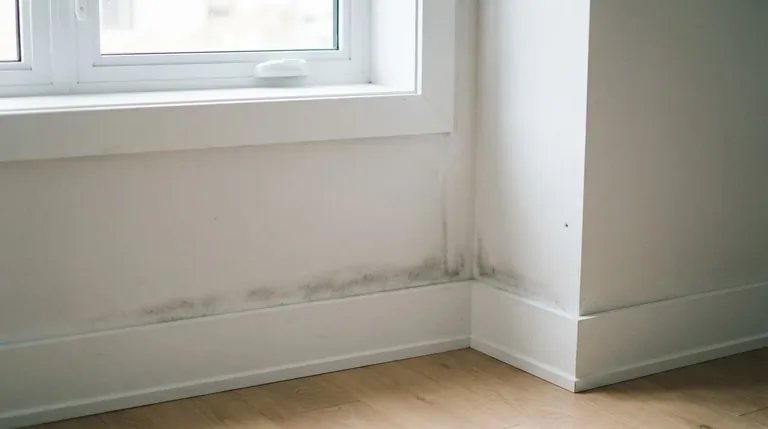
Mold After Water Damage in Fulshear, TX: Your Next Steps
Wet materials can develop mold within 24 to 48 hours, and Texas lets an owner handle mold on their own residential property with fewer than 10 dwelling units without a license.
Who to Call First in FulshearCan a New House Get Mold After a Water Leak?
Yes. Wet materials can develop mold in a home of any age, because the cause is moisture, not the age of the building. Once drywall, insulation, or flooring stays wet after a leak, mold spores that are already present in ordinary indoor air and dust can start to grow no matter when the house was built.
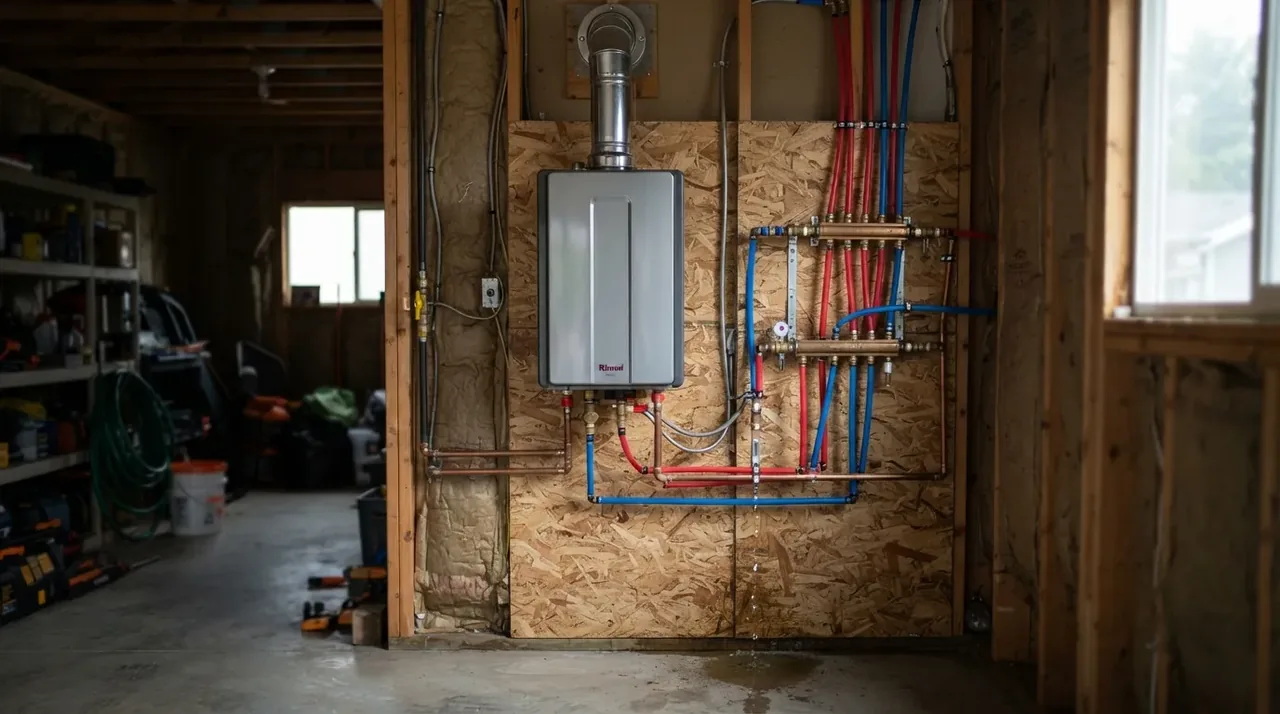
- A supply line, water heater, or washing machine hose leaking slowly behind a wall
- An air conditioning condensate line backing up in an attic or closet
- A roof or window leak letting water into insulation and framing
- A slab or foundation leak that keeps a floor or baseboard damp
How Fast Does Mold Grow?
FEMA's Ready.gov guidance says wet contents can develop mold within 24 to 48 hours. The EPA separately says mold generally will not grow if wet or damp items are dried within 24 to 48 hours. The CDC advises drying everything fully and quickly within 24 to 48 hours after a flood.
For the first steps to take right after any leak, before mold becomes the main issue, see the full Fulshear water damage cleanup guide.
Can You Clean Up Mold Yourself?
Often, yes, if it is your own home. Texas lets an owner assess or remediate mold on their own residential property with fewer than 10 dwelling units without a license, with no limit on the area's size. Hiring someone else to do the work is a separate question, covered in the next section.
- An owner may assess or remediate mold on their own residential property with fewer than 10 dwelling units without a license, regardless of the area's size (Texas Occupations Code Section 1958.102(e))
- A small remediation job under 25 contiguous square feet also needs no license, no matter who performs it (Section 1958.102(c)) — but that exemption covers remediation only, not mold assessment work
- Whether doing the work yourself is wise for a large or heavily contaminated area is a separate question from whether it is legal
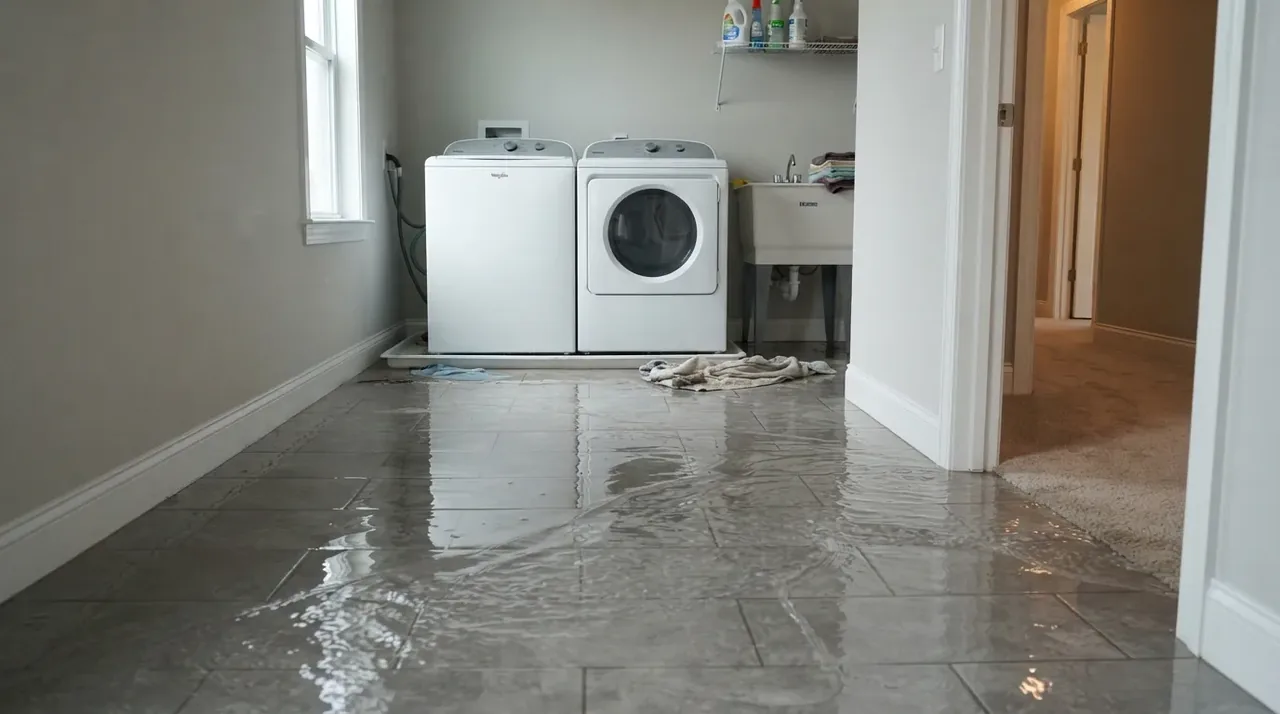
If a burst pipe is the reason water reached the wall or floor in the first place, shut off the water and dry the area before deciding whether to handle the mold cleanup yourself.
For work you hire out, the full licensing text is in Texas Occupations Code Chapter 1958.
Who Can You Hire, and What Paperwork Should You Get?
A company you hire needs a TDLR mold remediation license once the project's mold covers 25 contiguous square feet or more; mold assessment work generally requires a license regardless of size. One rule matters before you sign anything: the same license holder is not allowed to perform both the inspection and the cleanup on one project.
- Ask to see the TDLR mold license number for whoever inspects or remediates the mold
- A license holder may not perform both mold assessment and mold remediation on the same project (Section 1958.155(a)) — expect two separate license holders
- Ask the provider for proof of insurance and confirm which trade license the specific job requires
The Certificate You Should Receive
Texas law requires a written certificate of mold remediation, delivered not later than the 10th day after the remediation is completed (Section 1958.154(a)). Keep it with your other home records.
That certificate matters again later: when a homeowner sells the property, they must give the buyer copies of certificates of mold remediation issued for that property during the previous five years (Section 1958.154(b)).
| Situation | Texas Rule | Section | Checked: September 2026 |
|---|---|---|---|
| Remediation job under 25 sq ft, any person | No mold license required for that remediation work | 1958.102(c) | Yes |
| Owner working on own home, fewer than 10 units | No license required for assessment or remediation, any area size | 1958.102(e) | Yes |
| Provider hired for mold assessment | License generally required, regardless of area size | 1958.101 | Yes |
| Provider hired for remediation, 25 sq ft or more | TDLR mold remediation license required | 1958.102(c) | Yes |
| Same project, one license holder | Cannot perform both assessment and remediation | 1958.155(a) | Yes |
| Remediation completed | Certificate due not later than the 10th day after remediation is completed | 1958.154(a) | Yes |
| Home goes up for sale | Seller gives buyer certificates from the past five years | 1958.154(b) | Yes |
For the sequence of steps that comes before mold cleanup, from shutting off water to calling a provider, see the Fulshear water damage cleanup overview.
TDLR keeps a public mold licensing FAQ that explains the license categories and the 25-square-foot threshold in more detail.
Will Insurance Pay for Mold Cleanup?
Usually only if the mold followed a covered water loss, and how much depends on the policy. A sudden and accidental water discharge is commonly covered; flood, ongoing leaks, and mold on their own are typically excluded unless they resulted from a covered event or an added endorsement.
- A sudden and accidental water discharge is commonly covered, subject to the policy's terms and deductible (Texas Department of Insurance)
- Mold itself is typically excluded, except for limited damage that follows a covered water loss, or coverage added by endorsement (TDI)
- Sublimits for mold coverage vary by insurer — 25%, 50%, and 100% of the dwelling coverage amount all appear in the Texas market (TDI)
This page is general information, not legal or insurance advice. Read your own policy and ask your insurer or agent how it treats mold before you assume what is or is not covered.
If your home is still under a builder warranty, ask the builder what it covers.
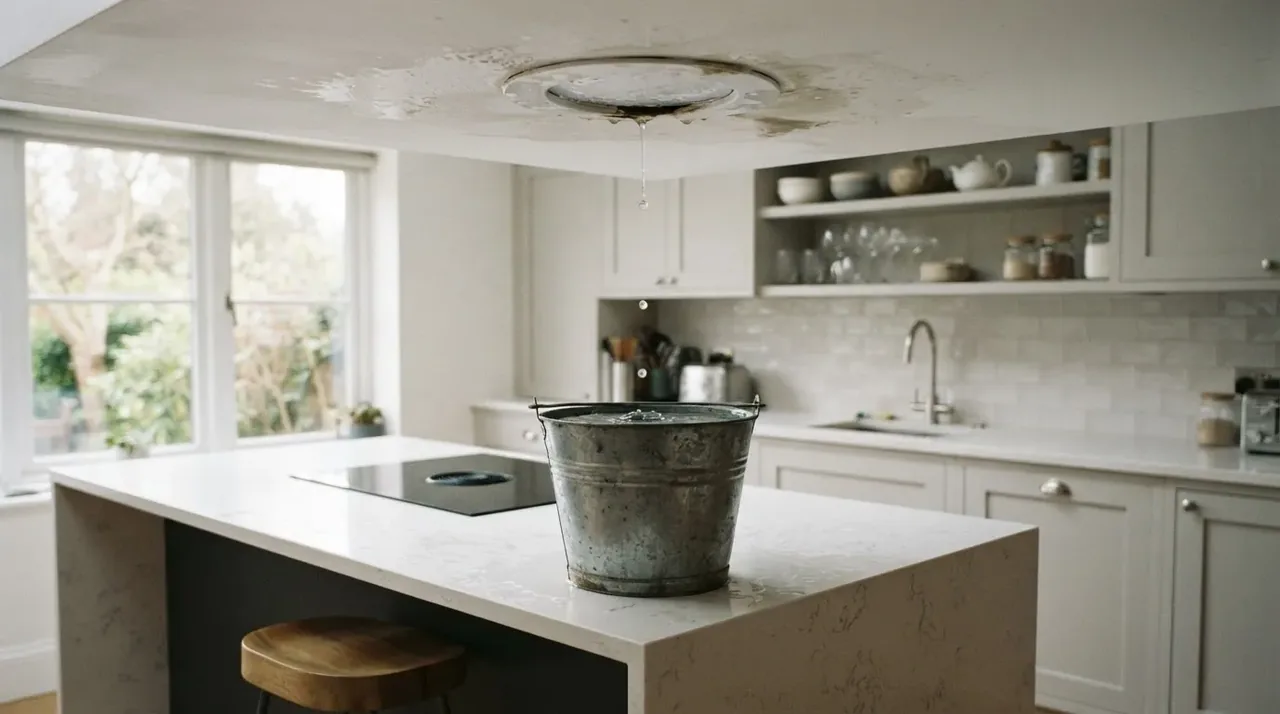
If a sudden pipe failure is what caused the water and the mold that followed, document both with photos, dates, and a written timeline for the adjuster — the same records support a mold claim and a water damage claim.
The Texas Department of Insurance explains what a standard homeowners policy typically covers and how mold coverage sublimits can vary by insurer.
If That Did Not Work
If signs of mold return after cleanup, or the paperwork you were promised never showed up, here are three ways to move forward.
- Try again: if signs of mold return, ask for another assessment before assuming the cleanup job is complete.
- Take another route: if a provider's TDLR mold license does not check out, the licensing FAQ linked above explains the assessment and remediation license categories and how to verify one.
- Contact someone else: for a stalled or disputed insurance claim, the Texas Department of Insurance takes consumer complaints at 800-252-3439, 8:00 a.m. to 5:00 p.m. Central, Monday through Friday, through its insurance complaint page. File it as soon as you notice a problem rather than waiting.
If you are not sure whether the leak behind the mold was a city water or sewer issue, City of Fulshear 24 Hour Emergency Services covers it: 281-346-8830, the same number the city lists for utility billing and customer service (Water Quality & Conservation).
For the fuller picture of who handles what after water damage in Fulshear, start with who to call first in Fulshear.
What Changed on This Page
- September 2026: page published; phone numbers and legal deadlines checked against the official sources linked above.
Frequently Asked Questions
Does a newer house need different mold rules than an older one?
How fast can mold start after a leak?
Can I clean up mold myself if the area is small?
Can the same contractor inspect the mold and then clean it up?
What paperwork should I get once the mold job is finished?
Do I have to tell buyers about past mold work if I sell my house?
Will my homeowners insurance pay for mold remediation?
Does a mold remediation provider have to notify anyone before starting work?
Water in your home right now?
See who to call first in Fulshear, how to reach your water provider, and how to check your flood zone.
Who to Call First in Fulshear